What are Synthetic peptide analogs?
Synthetic peptide analogs are grouped in this collection by chemical identity. Each compound is listed by CAS number and molecular weight, supplied as a lyophilized powder for in-vitro laboratory research use only, and documented by batch with a certificate of analysis for each batch; published results are in the COA library. Not for human or veterinary use.
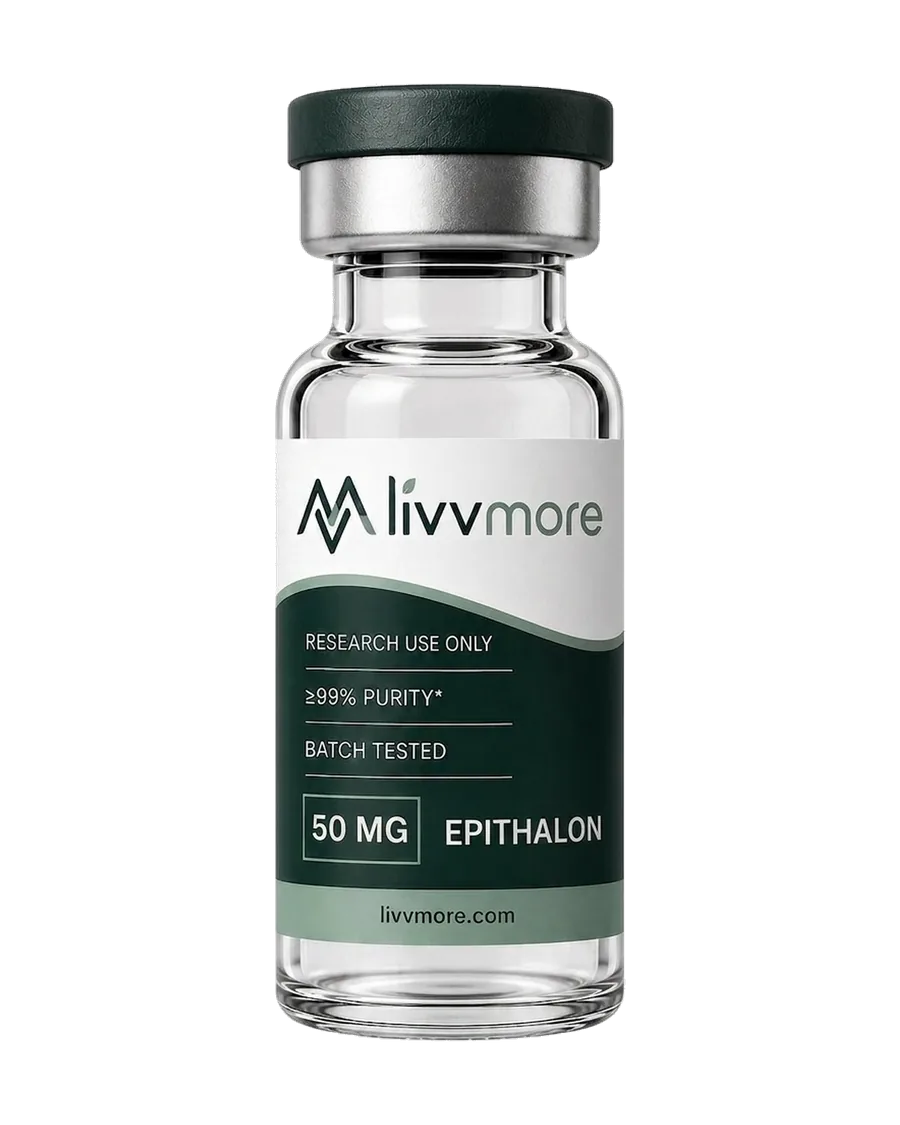
What is Epithalon?
Epithalon is a synthetic research compound catalogued in the Synthetic peptide analogs collection, supplied as a white lyophilized powder for in-vitro laboratory research. It is listed by CAS number 307297-39-8. Not for human or veterinary use.
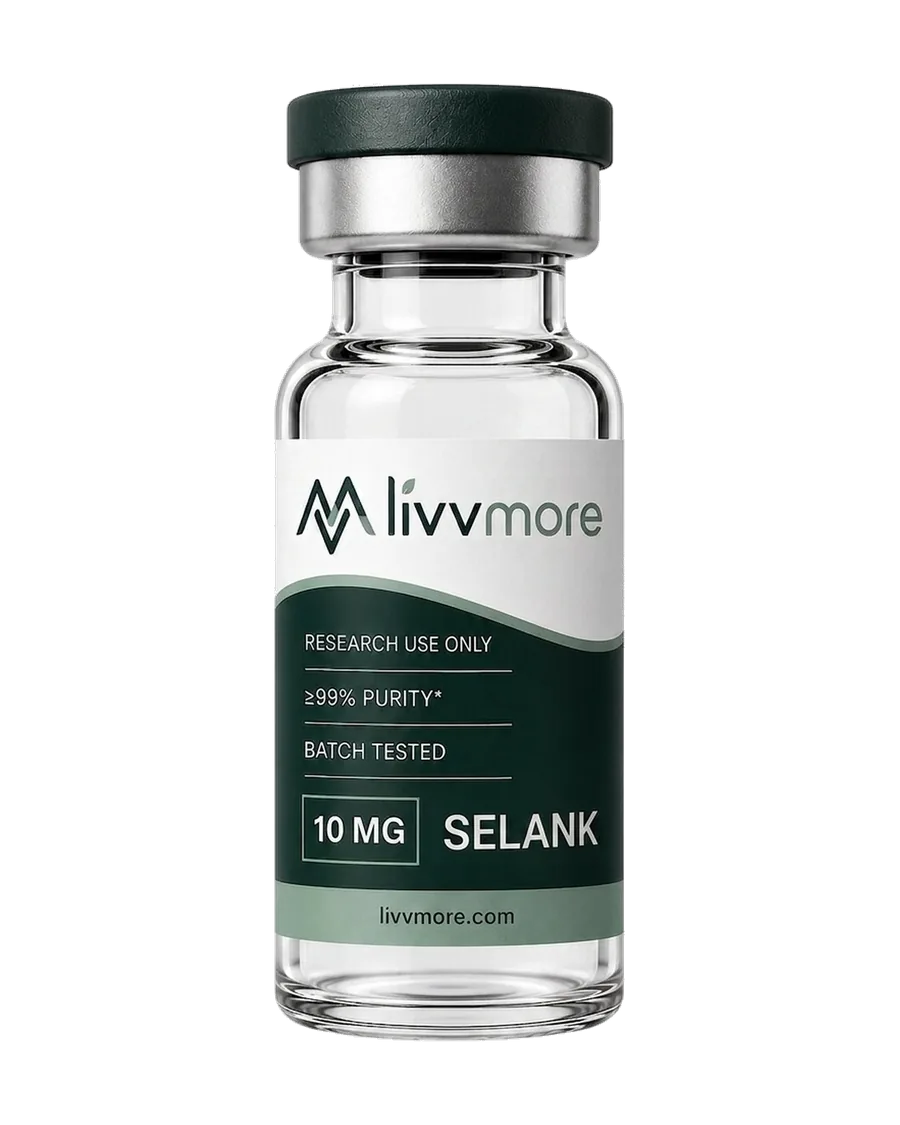
What is Selank?
Selank is a synthetic research compound catalogued in the Synthetic peptide analogs collection, supplied as a white lyophilized powder for in-vitro laboratory research. It is listed by CAS number 129954-34-3. Not for human or veterinary use.
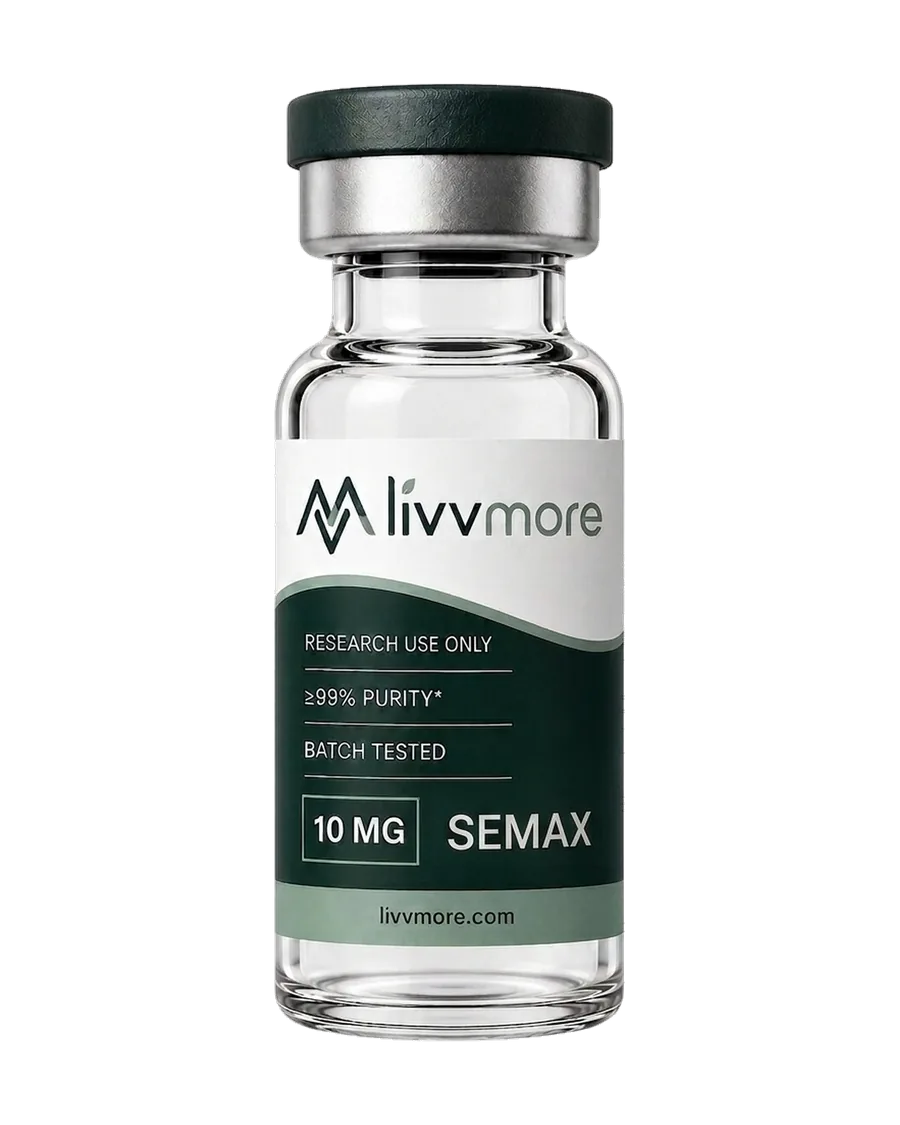
What is Semax?
Semax is a synthetic research compound catalogued in the Synthetic peptide analogs collection, supplied as a white lyophilized powder for in-vitro laboratory research. It is listed by CAS number 80714-61-0. Not for human or veterinary use.
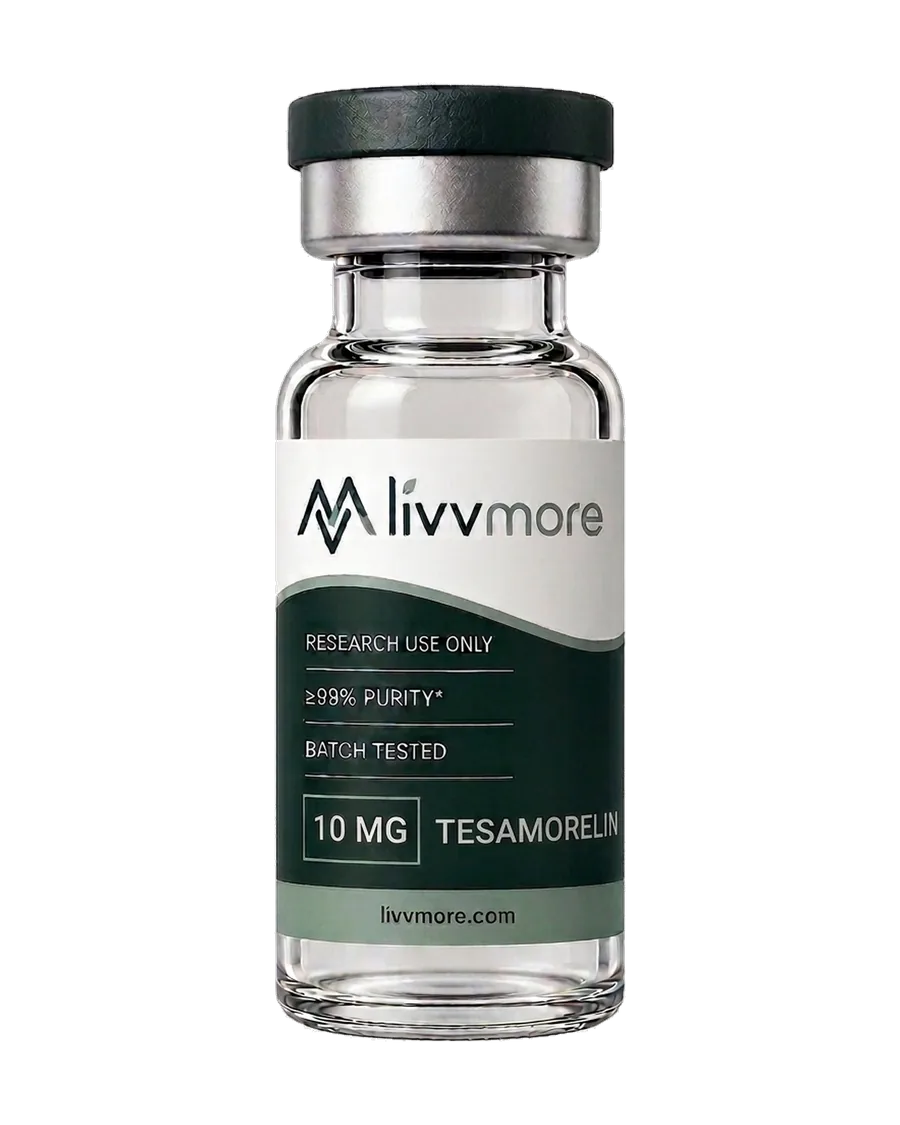
What is Tesamorelin?
Tesamorelin is a synthetic research compound catalogued in the Synthetic peptide analogs collection, supplied as a white lyophilized powder for in-vitro laboratory research. It is listed by CAS number 218949-48-5. Not for human or veterinary use.
What is HPLC testing?
High-performance liquid chromatography is a recognised analytical method used to verify a peptide's purity profile. HPLC purity verification is available for the compounds in this collection.
What is a Certificate of Analysis?
A batch-specific document recording the analytical results for a production batch, including the batch number, identification, purity results, method and test date.
How should research peptides be stored?
Lyophilized peptides should be stored refrigerated at 2–8°C, protected from light and moisture. For extended storage, follow your laboratory's standard storage procedures.
What does research use only mean?
All products are supplied strictly for in-vitro laboratory research and are not for human or veterinary use, diagnosis, treatment, or personal consumption.
How are the products documented?
Every production batch is independently identity- and purity-tested at a university laboratory, the USC Alfred E. Mann Multi-Omics Mass Spectrometry Core, with a certificate of analysis documented for each batch. Published results are collected in the COA library.
Is a certificate of analysis available?
A certificate of analysis is documented for each production batch, recording the batch number, identity confirmation, estimated purity, method and test date. Published results are in the COA library; the batch-specific certificate for a given order is available on request.
Who can purchase?
By placing an order, purchasers acknowledge that the product is intended solely for laboratory research use and agree to the Research Use Terms.